

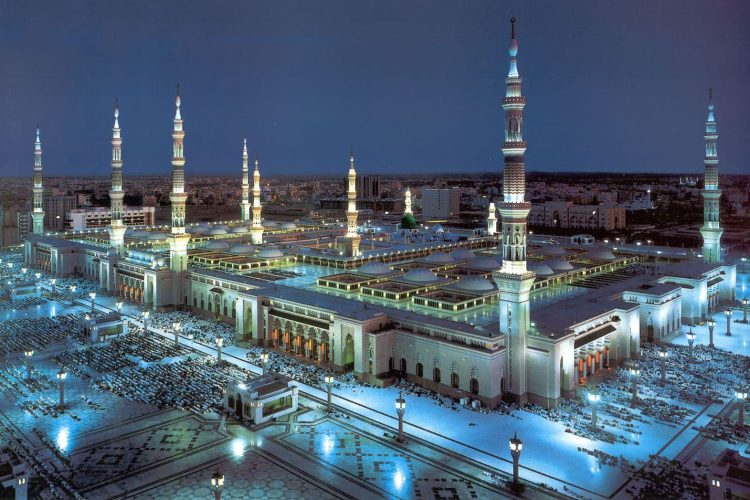
Islam is not merely a religion of rituals and beliefs; it is a comprehensive civilization that has shaped the spiritual, intellectual, moral, and social development of humanity for more than fourteen centuries. From its earliest days, Islam inspired a civilization founded upon faith in one God, the pursuit of knowledge, justice, compassion, and the dignity of every human being.
The Qur’an repeatedly encourages reflection, learning, and the pursuit of wisdom. The first revelation “Read in the name of your Lord” established knowledge as the cornerstone of Islamic civilization. Throughout history, Muslims embraced this divine command by establishing schools, universities, libraries, observatories, and hospitals that became centers of learning and innovation. Scholars made lasting contributions to medicine, mathematics, astronomy, engineering, philosophy, architecture, and the social sciences, many of which influenced the development of world civilization.
At the heart of Islamic civilization lies the principle of justice. Islam teaches that all people are equal before Allah regardless of race, ethnicity, language, or social status. The Qur’an calls upon believers to uphold justice even when it is difficult, making fairness and accountability fundamental values in both individual conduct and public governance.
Islam also places great emphasis on mercy and compassion. The Prophet Muhammad (peace and blessings be upon him) described his mission as a mercy to all creation. His teachings promoted kindness, honesty, generosity, respect for parents, care for neighbors, protection of the vulnerable, and peaceful coexistence among communities. These values formed the ethical foundation of a civilization that sought to balance spiritual devotion with social responsibility.
Another defining characteristic of Islamic civilization is its encouragement of coexistence and cultural exchange. Throughout history, Muslim societies welcomed scholars, traders, and travelers from different backgrounds, allowing knowledge and ideas to flourish across continents. This openness enabled Islamic civilization to preserve and expand the scientific and cultural heritage of earlier civilizations while making original contributions to human progress.
Islam also established systems of social welfare that strengthened communities. Institutions such as zakat, waqf, and charitable endowments supported education, healthcare, poverty alleviation, and public services. These institutions reflected Islam’s commitment to social justice and collective responsibility, ensuring that economic development was accompanied by compassion and care for those in need.
In today’s rapidly changing world, the principles of Islamic civilization remain as relevant as ever. Values such as moderation (wasatiyyah), justice, knowledge, ethical leadership, environmental stewardship, and respect for human dignity provide timeless guidance for addressing contemporary challenges. Islam encourages constructive engagement with modern developments while remaining firmly rooted in its moral and spiritual foundations.
Islam is, therefore, a religion of civilization—a faith that nurtures both the soul and society. Its enduring message calls humanity to worship the Creator, seek knowledge, establish justice, uphold moral excellence, and work together for the common good. By embracing these universal principles, Islamic civilization continues to offer a meaningful and positive contribution to peace, prosperity, and the advancement of humanity.



 2024-2026 Copyright © DrShaheem.com | Dr Mohamed Shaheem Ali Saeed